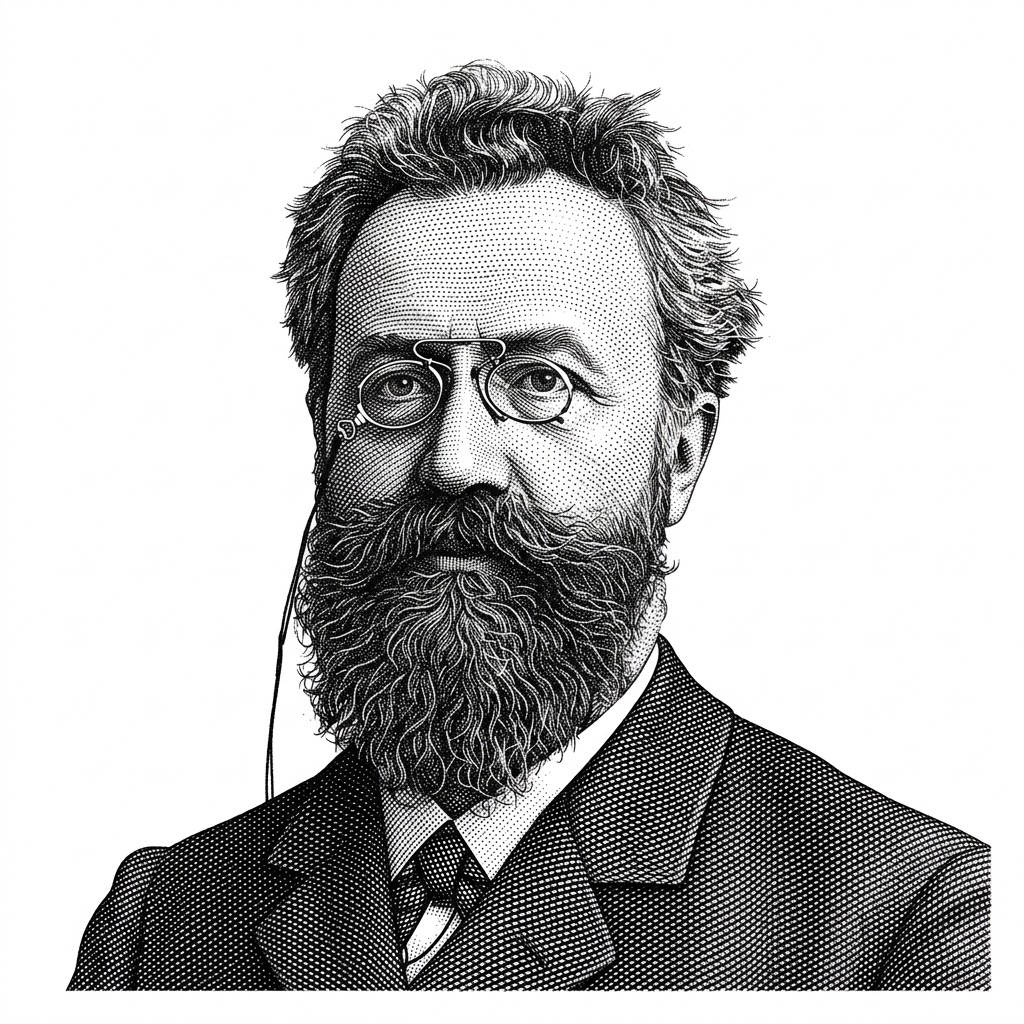
Origin
Hermann Ebbinghaus, the German psychologist who founded the experimental study of memory, documented the serial position effect in the 1880s — memorizing thousands of nonsense syllables on himself and plotting where recall failed.
His curves showed recall highest at the start of a list (primacy — items get rehearsed into long-term memory) and at the end (recency — items still sit in working memory), with a sag in the middle. The same experiments produced the forgetting curve and the spacing effect.
The Effect
When people recall a series, performance forms a U: the first items benefit from rehearsal into long-term memory, the last from still being in working memory, and the middle items lose both advantages. In interfaces, position is a memory decision.