Origin
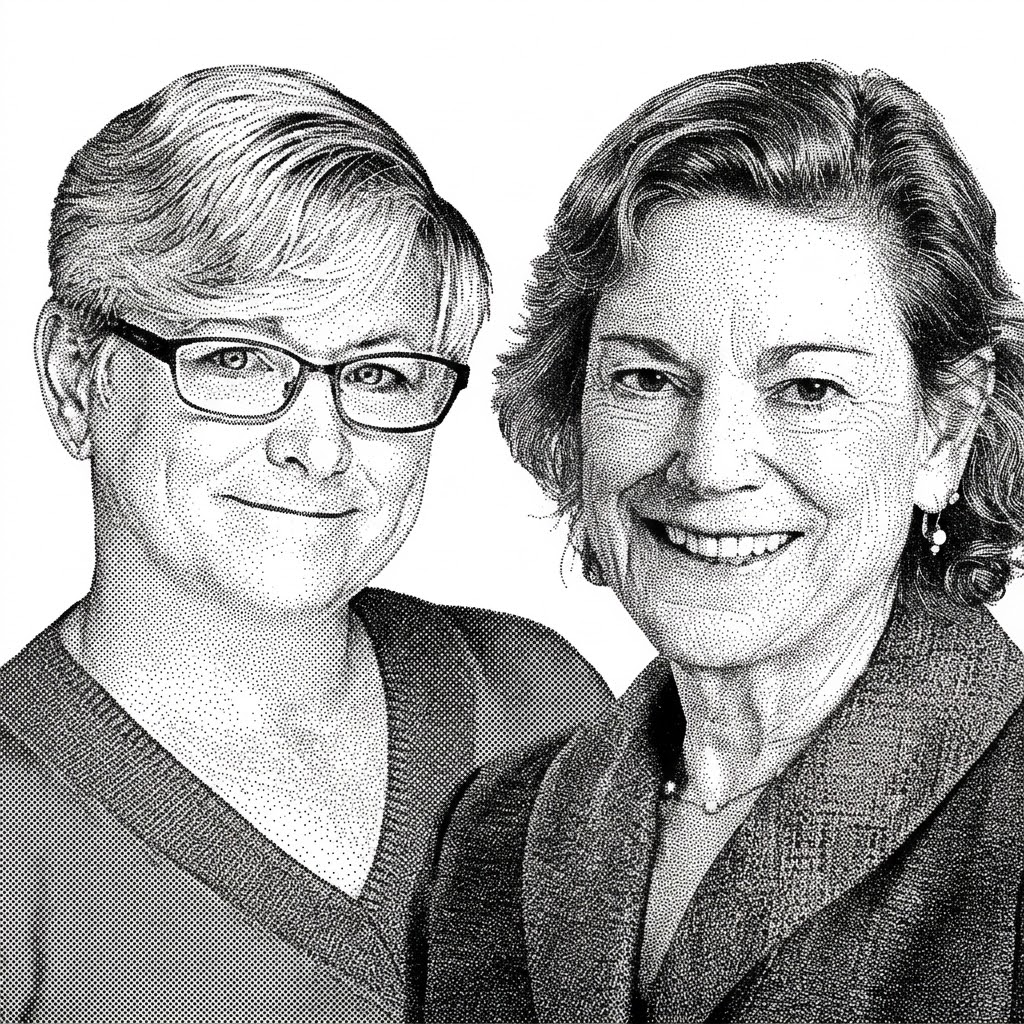
Linda Skitka and Kathleen Mosier studied flight crews working with cockpit automation in the 1990s. Given a faulty automated cue, experienced pilots followed it into errors they would never have made unaided — and when automation stayed silent, they missed events they were trained to catch.
Their work named automation bias and split it into two failures: errors of commission — doing what the machine wrongly suggests — and errors of omission — not doing what the machine failed to flag. The findings moved from aviation into medicine, security screening, and every interface that offers an automated answer.
The Bias
People treat automated suggestions as a replacement for their own vigilance rather than one more input. Trust in the machine rises above its actual reliability, attention decays, and both wrong suggestions and silent misses go unchallenged.