Origin
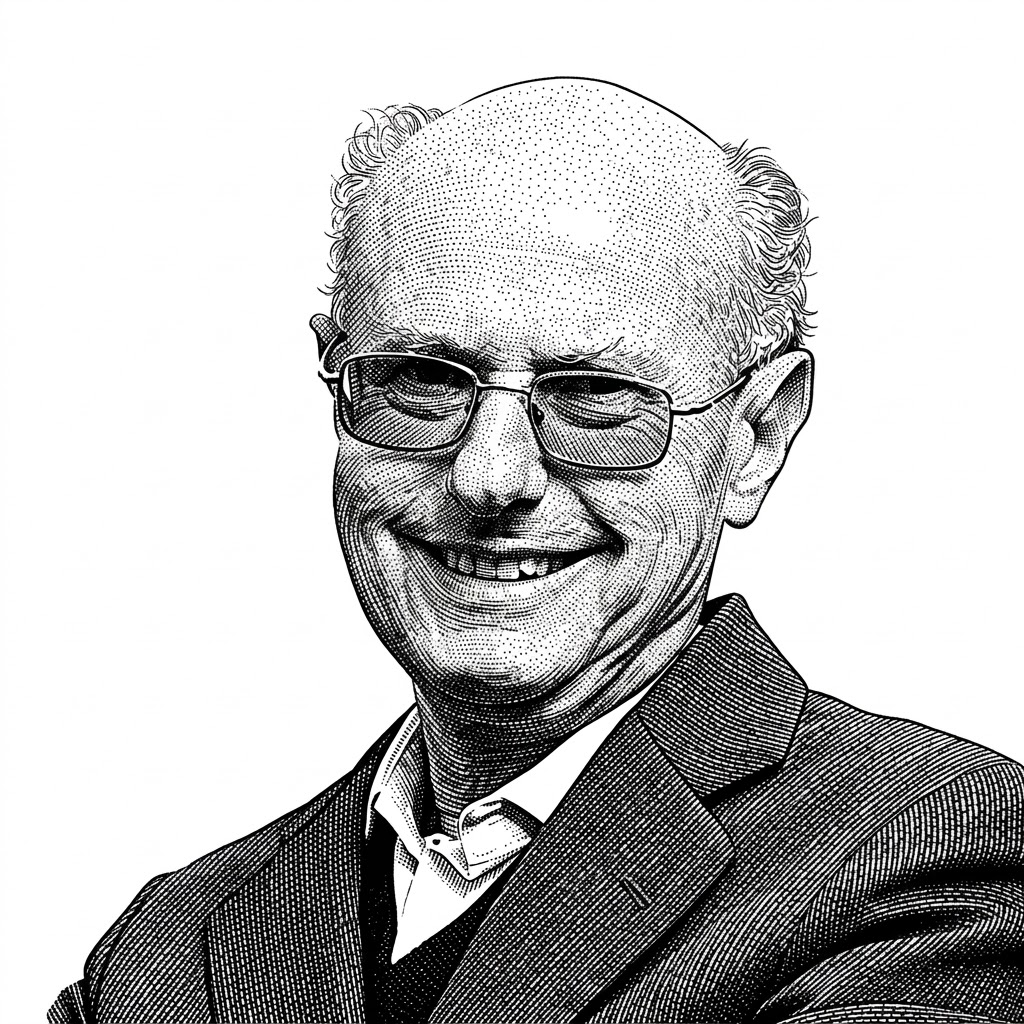
John Sweller, an Australian educational psychologist at the University of New South Wales, developed cognitive load theory in 1988 from studies of how students learn from worked examples versus raw problem solving.
His experiments showed that instruction fails when working memory is spent on the format instead of the content — the split-attention and redundancy effects. The theory became one of the most cited frameworks in instructional design, and maps directly onto interfaces.
The Theory
Working memory is sharply limited. Total load divides into intrinsic (the task’s inherent difficulty), extraneous (effort imposed by presentation), and germane (effort that builds understanding). Reduce extraneous load, manage intrinsic load, and protect what’s left for germane work.