Zeigarnik Effect

Unfinished business stays in memory.

Bluma Zeigarnik found that interrupted, incomplete tasks are remembered far better than completed ones. Open loops pull people back — the engine behind progress bars, streaks, and every “complete your profile” nudge.

Origin

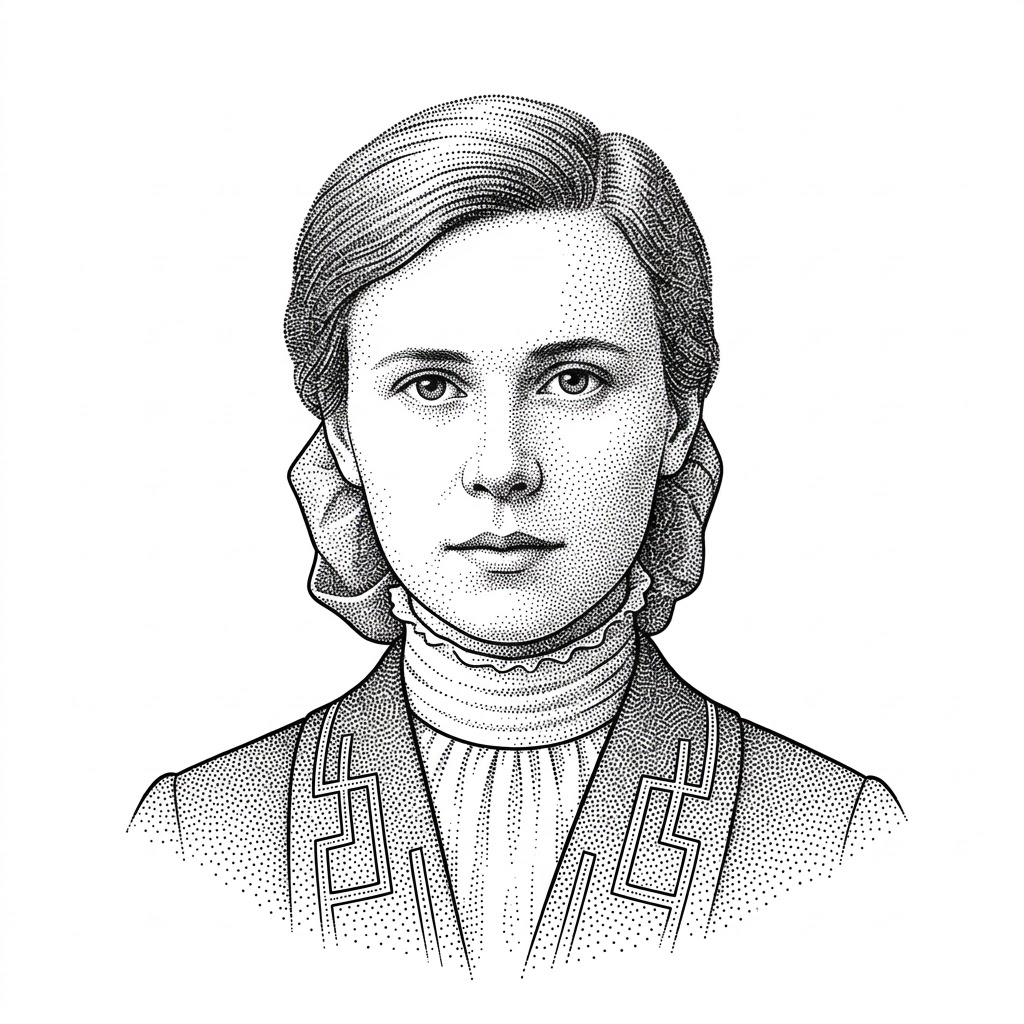
Bluma Zeigarnik was a Lithuanian-Soviet psychologist who studied under Kurt Lewin in Berlin. Legend says the idea began at a café: waiters recalled unpaid orders perfectly and forgot them the moment the bill was settled.

Her 1927 experiments confirmed it — participants interrupted mid-task recalled those tasks roughly twice as well as finished ones. She went on to co-found experimental pathopsychology in Moscow, and the open-loop effect that bears her name became a staple of product design.

The Effect

Interrupted or incomplete tasks are remembered better than completed ones. An open loop creates a low-grade tension that keeps pulling attention back until the loop closes — completion releases it, and the memory fades.

Coined by
Source
On Finished and Unfinished Tasks
In practice
Show what’s left open
The loop 01 / 08

Open Loops Pull Attention

An incomplete progress bar is a small psychological hook — the mind keeps a background thread on anything visibly unfinished. Products that show open loops get users back without sending a single notification.

Mechanism
Task tension
Released by
Completion
Free retention
No notification needed
Progress 02 / 08

Show the Remaining Steps

A stepper that shows two of four steps done recruits the effect honestly: the user can see exactly what’s open and what closing it takes. Vague progress (“almost there!”) wastes the tension it creates.

Show
Done and remaining
Be
Specific
Avoid
Vague “almost there”
Checklists 03 / 08

The Unchecked Box

Onboarding checklists work because every unchecked item is its own open loop. Three done and one open is nearly irresistible — which is why the best checklists are short, real, and finishable.

Keep lists
Short and finishable
Each item
A real step
The last open box
Does the pulling
Completion 04 / 08

Profile Completeness

LinkedIn’s completeness meter is the canonical use: a visible 70% makes finishing feel necessary. It works when each remaining step genuinely improves the experience — and curdles when it’s just data harvesting.

Works when
Steps add real value
Curdles when
It’s data harvesting
Sweet spot
60–90% shown
Ethics 05 / 08

Don’t Weaponize the Loop

Streaks that punish a missed day, carts that nag for weeks, fake “1 step left” prompts — manufactured incompleteness burns the trust the effect depends on. If the loop wasn’t opened by the user, closing it isn’t their job.

Test
Who opened the loop?
Manufactured tension
Burns trust
Respect
The user’s “done”
Closure 06 / 08

Let Loops Actually Close

The effect has a second half: completion releases the tension, and that release is the reward. Clear done-states, satisfying confirmations, and empty inboxes give users the closure the open loop promised.

Done-states
Make them felt
The release
Is the reward
Then
Stop asking

The Zeigarnik Effect in the Age of AI

Agents leave loops open on your behalf now — drafts, running tasks, half-finished jobs. Showing what’s unfinished is how trust survives the delegation.

In the Age of AI 07 / 08

The Draft Left Open

An assistant that leaves a visible draft — half an email, a paused edit — pulls the user back to finish the thought. Resumable state is the Zeigarnik effect working for the user instead of on them.

Pattern
Visible, resumable drafts
Effect
Users return to finish
In the Age of AI 08 / 08

Agents Keep Loops Open

A background agent is an open loop the user didn’t used to have. Show the running task, its progress, and its finish — an invisible loop generates anxiety, a visible one generates trust.

Show
Running · done · queued
Invisible loops
Read as anxiety
Further Reading