Automation Bias

If the machine said it, it must be right.

Mosier and Skitka showed in the 1990s that people over-trust automated suggestions — following them when wrong and missing what the machine misses. In the age of AI, this is the bias every interface has to design against.

Origin

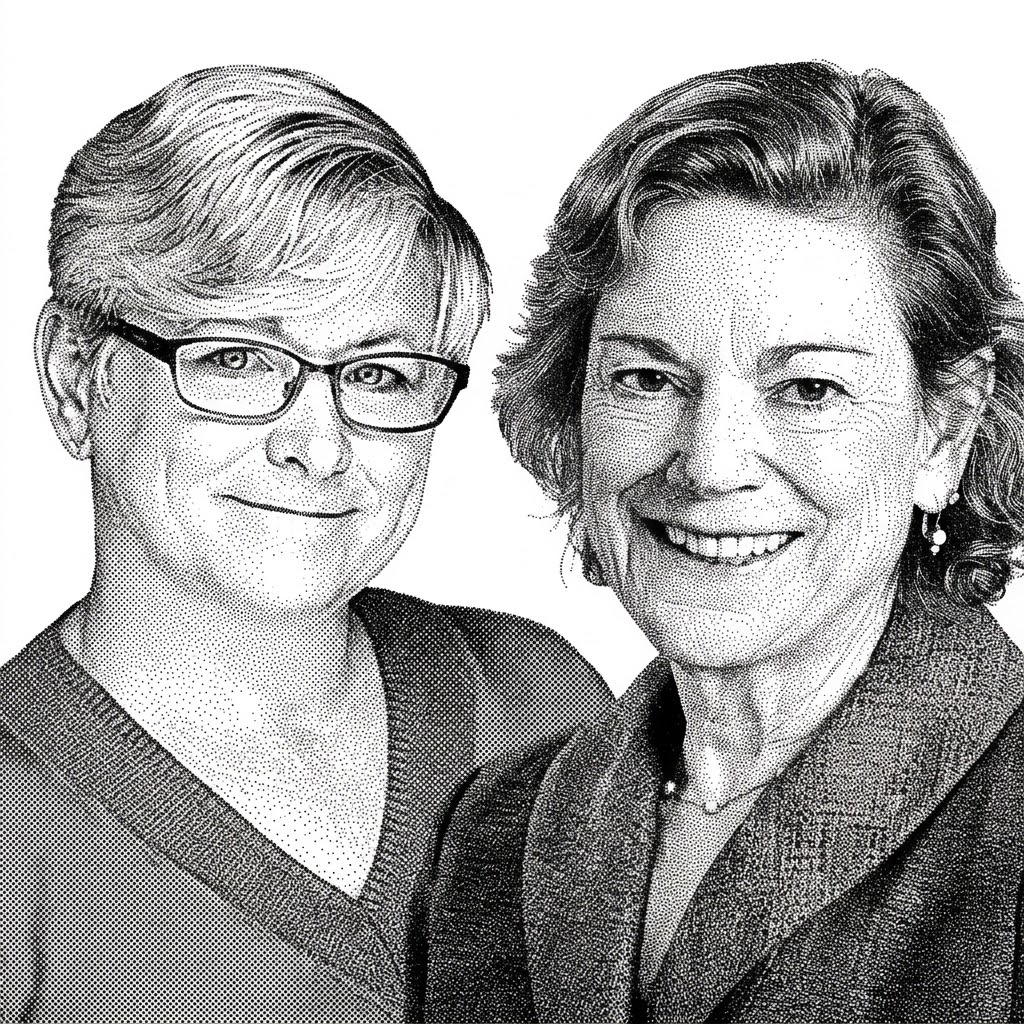
Linda Skitka and Kathleen Mosier studied flight crews working with cockpit automation in the 1990s. Given a faulty automated cue, experienced pilots followed it into errors they would never have made unaided — and when automation stayed silent, they missed events they were trained to catch.

Their work named automation bias and split it into two failures: errors of commission — doing what the machine wrongly suggests — and errors of omission — not doing what the machine failed to flag. The findings moved from aviation into medicine, security screening, and every interface that offers an automated answer.

The Bias

People treat automated suggestions as a replacement for their own vigilance rather than one more input. Trust in the machine rises above its actual reliability, attention decays, and both wrong suggestions and silent misses go unchallenged.

Coined by
Source
Cockpit automation studies
In practice
Design for review, not just accept
The research 01 / 08

The Cockpit Studies

Trained pilots in simulators followed false automated warnings — shutting down healthy engines — and overlooked failures the automation never announced. Expertise did not protect them; the presence of an automated aid changed how carefully they looked.

Setting
Flight simulators, real crews
Finding
The aid replaced the checking
Expertise
Did not protect them
Two failures 02 / 08

Commission and Omission

Commission: doing what the machine wrongly suggests. Omission: missing what the machine failed to flag. The second is quieter and worse — nothing on the screen ever asked to be doubted.

Commission
Following the wrong advice
Omission
Missing the silent failure
Worse
Omission — nothing prompts doubt
Defaults 03 / 08

Suggestions Become Answers

A pre-filled field, a ranked first result, a highlighted recommendation — whatever the system offers first is what most users submit. Automation bias is why default quality is a safety property, not a convenience.

Offered first
Chosen most
Default quality
A safety property
Audit
What do we pre-select?
Trust 04 / 08

Calibrate the Trust

The goal is not less trust — it is accurate trust. Show confidence levels, show what the system checked and did not check, and let reliability be felt. A system that admits uncertainty earns better decisions than one that always sounds sure.

Goal
Accurate trust, not blind trust
Show
Confidence and coverage
Earns
Better human decisions
Practice 05 / 08

Friction Where It Counts

One-tap accept is right for low-stakes suggestions and wrong for consequential ones. Match the effort to the cost of being wrong: a deliberate confirmation, a diff to review, a second source — friction as a feature, applied sparingly.

Low stakes
One tap is fine
High stakes
Deliberate steps
Rule
Effort matches the cost of wrong
Boundary 06 / 08

Vigilance Decays

The better the automation, the less people check it — right up until the failure that matters. Reviews that are always rubber-stamped stop being reviews. If a human is the safety net, the interface has to keep them genuinely engaged.

Pattern
Reliability breeds inattention
Rubber stamp
A review in name only
Design job
Keep the human engaged

Automation Bias in the Age of AI

Mosier and Skitka studied a cockpit. Now every writing tool, code editor, and search box offers automated answers — and the accept button is always one tap away.

In the Age of AI 07 / 08

The Accept-All Era

Model output arrives fluent, confident, and formatted — every surface cue says finished. Users accept code they did not read and prose they did not check. Interfaces that make review easier than acceptance are the counterweight.

Surface cues
Fluent means finished
Counterweight
Review easier than accept
In the Age of AI 08 / 08

Show the Seams

Expose sources, show what was checked, mark the uncertain parts, and make disagreeing with the model a first-class action. An AI interface that hides its seams invites blind trust; one that shows them invites judgment.

Expose
Sources · checks · uncertainty
First-class action
Disagreeing with the model
Further Reading